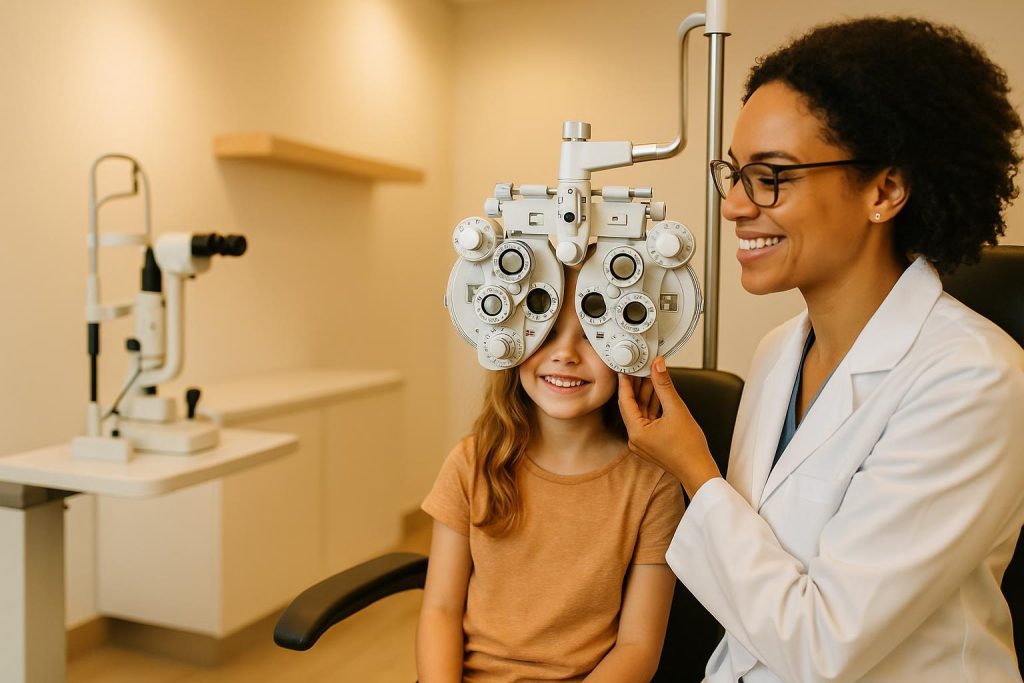
A Closer Look at Your Child’s Eye Exam
When you schedule a child’s eye exam, it’s natural to wonder what will happen during the visit and how you can best prepare. Whether this is your child’s first checkup or part of an annual routine, rest assured that pediatric eye exams are designed to be comfortable and engaging for young patients. Eye care professionals strive to create a warm and welcoming environment, ensuring children feel at ease from the moment they sit in the exam chair. Understanding the components of a child’s eye exam is essential to appreciating why it plays a vital role in preserving clear vision, identifying potential concerns early, and supporting your child’s long-term eye health.
Why Children’s Eye Health Matters
Children rely on their eyesight for so many aspects of their daily life, from reading in class and playing on the playground to focusing on screens for homework or entertainment. Because vision can significantly influence learning and development, undiagnosed issues may lead to difficulties such as headaches, eye strain, or even developmental delays. By scheduling regular exams, parents can make sure any potential vision threats, including amblyopia (lazy eye) or strabismus (crossed eyes), are addressed as early as possible. This proactive or preventative care approach helps keep children on track academically, socially, and physically.
Many parents assume that schools will screen for vision problems during routine checkups, but school screenings typically cover only visual acuity tests. These screenings might overlook subtle conditions, like eye alignment issues or difficulties with binocular vision. That’s why a comprehensive exam—one that assesses eye coordination, refractive error, and overall eye health—can be a game-changer for a child’s wellness. When issues are caught early, treatment options are often more effective.
Key Components of a Pediatric Eye Exam
Pediatric eye exams are designed with your child’s age, attention span, and comfort in mind. Despite the specialized approach, most children’s eye exams include a few common steps:
- Medical and Family History: The eye care professional will review your child’s health background as well as any family history of eye diseases. This information is critical for identifying inherited conditions or potential risk factors.
- Visual Acuity Test: The exam typically begins by measuring how clearly your child sees. Instead of standard letter charts, pediatric eye specialists may use specially designed charts with shapes, pictures, or even interactive methods to maintain a young patient’s attention.
- Refraction Assessment: Using a phoropter or retinoscope, the optometrist evaluates whether your child is nearsighted, farsighted, or has astigmatism. This step determines if your child might benefit from corrective lenses or additional vision therapies.
- Eye Alignment and Movement: Eye alignment tests look for conditions like strabismus or other problems that might affect how the eyes track together. The doctor checks how each eye moves when following objects, ensuring that both eyes align and move smoothly.
- Binocular Vision and Depth Perception: Achieving effective depth perception and binocularity (using both eyes effectively) is important for reading, sports, and everyday tasks. These tests assess how well both eyes work in tandem.
- Ocular Health: The doctor will evaluate the health of the cornea, lens, retina, and other internal structures, sometimes using lights or lenses to view the eye in detail. Specialized instruments help detect signs of pediatric eye disease, inflammation, or developmental irregularities.
By the end of these assessments, you’ll have a complete picture of your child’s vision, and the optometrist can recommend solutions to address any issues. This could be as simple as updating a lens prescription, suggesting eye exercises, or advising further treatment to ensure optimal eye health.
Common Pediatric Eye Conditions
Although most children experience normal vision development, there are a few conditions that tend to appear frequently in pediatric patients. Recognizing the signs can help you determine when to consult an eye care professional. Here are a few of the most common:
- Amblyopia (Lazy Eye): A difference in refractive power or alignment between the two eyes can cause one eye to become weaker than the other. Early treatment—often with corrective glasses, patching, or exercises—can strengthen the weaker eye.
- Strabismus (Crossed Eyes): When the eyes are not properly aligned, your child might complain of double vision or show other signs like tilting the head to see better. Strabismus can sometimes be corrected with prescription lenses, vision therapy, or surgery.
- Myopia (Nearsightedness): Is your child squinting or struggling to see distant objects? Myopia is increasingly common and, in many cases, can be managed with glasses or contact lenses. Addressing myopia early can help slow its progression.
- Hyperopia (Farsightedness): Children with this condition can often see distant objects clearly but may experience blurred vision up close. Extra effort used to focus can lead to headaches or eye strain.
Identifying these conditions early is key to preventing complications. Regular visits allow optometrists to implement personalized strategies—ranging from prescription changes and specialized therapies to lifestyle modifications—that can make a large difference in the child’s daily comfort and academic performance.
Preparing Your Child for the Exam
Many parents wonder how to prepare their child for an upcoming eye exam. Here are a few simple suggestions:
- Talk Positively: Explain that the exam will be fun and that the eye doctor is there to help them see the world more clearly. Emphasizing that there are no painful procedures involved can help reduce any stress or anxiety.
- Schedule Wisely: If possible, choose a time when your child is well-rested and less likely to be irritable, especially for younger children who may need more patience to complete the tests.
- Bring Comfort Items: For younger patients, a favorite stuffed animal or small blanket can soothe nerves if the environment feels unfamiliar.
- Encourage Questions: Let your child know they’re free to ask the eye doctor about anything that piques their curiosity during the exam. The doctor can even show them some of the cool instruments when appropriate.
By creating a supportive and community-focused environment at home, you set the stage for a more relaxed experience. Remember, a positive attitude from you can do wonders in helping your child form healthy, lifelong habits regarding eye care.
What Happens After the Exam?
Once the testing components are complete, the doctor will discuss the findings with you in detail. This conversation is a chance to review any concerns, address your questions, and plan next steps. If no issues are detected, you’ll have peace of mind about your child’s eye health and can schedule the next routine visit. If the exam indicates a need for additional care—such as corrective glasses or extra monitoring—you can collaborate with your optometrist to decide the best course of action.
Don’t be surprised if the doctor also offers advice on how to maintain healthy vision at home. That might include guidelines on limiting screen time, encouraging regular breaks during close-up tasks, or even discussing ways to support proper posture while reading. Some children may be more sensitive to digital eye strain, and your optometrist can suggest adjustments that improve comfort.
In cases where specialized treatments or additional follow-up is necessary—such as vision therapy for amblyopia or further evaluation by a pediatric ophthalmologist—the eye care professional will explain the entire process and help coordinate the right resources. The goal is to provide comprehensive care to address each child’s individual needs.
How Often Should Children Have Eye Exams?
Keeping an eye on your child’s vision is an ongoing responsibility. Experts often suggest an initial evaluation around six months of age, followed by another exam at approximately three years old, then once more before starting school. Once children enter school, annual or biennial exams are recommended, depending on the advice of your eye care provider. Factors such as existing vision conditions, genetic predispositions, and a child’s overall eye health can also shape this schedule.
Regularly spaced visits help ensure that subtle shifts in your child’s vision don’t go unnoticed. Eyes can change rapidly, especially in the adolescent years. If you have concerns about frequent headaches or your child’s difficulty in focusing, it’s wise to schedule an exam sooner rather than later. Because each child is unique, do not hesitate to consult with your eye doctor if you notice any red flags, such as constant squinting or recurring complaints about blurred vision. Early detection is the cornerstone of preventive care.
The Role of Personalized and Comprehensive Care
Every child is different, so it’s essential that their eye exam is tailored to their specific developmental stage, comfort level, and medical background. By teaming up with an eye care professional who offers comprehensive children’s eye exams, you ensure that all aspects of visual health—ranging from overall eye structure to coordination and acuity—are carefully addressed. This thorough approach fosters better long-term outcomes and sets the stage for academic success, preventing potential struggles in reading or participation in sports.
If you’re looking to learn more, consider exploring children’s eye exams at a practice that emphasizes cutting-edge diagnostics, personalized care, and a warm atmosphere. Whether your child needs corrective lenses for common issues like myopia or more targeted interventions for conditions such as amblyopia, a knowledgeable team can walk you through each step of the treatment plan. There’s no one-size-fits-all solution for pediatric vision care, which is why a comprehensive exam is so valuable.
A Lifelong Investment in Clear Vision
Setting children on the right path for healthy eyesight is one of the best investments you can make in their future. Healthy vision impacts educational achievement, physical coordination, and even social interactions. Early diagnosis of conditions like strabismus ensures earlier interventions. With tools such as corrective lenses, vision therapy, and consistent monitoring, many eye problems can be managed effectively, allowing your child to enjoy schoolwork, hobbies, and playtime without unnecessary obstacles.
Moreover, taking the time to instill positive habits—like regular checkups, mindful screen usage, and adequate lighting when reading—paves the way for good eye health in adulthood. It also teaches children to take ownership of their well-being. As technology continues to evolve and children spend more time on digital devices, these preventative care measures become even more crucial. By encouraging balanced usage and breaks from close-up work, you help protect them from problems like digital eye strain and its associated discomforts.
Remember, pediatric eye exams are not just about testing vision. They are a comprehensive gateway to better overall development, boosted confidence, and academic success. An exam that thoroughly checks visual acuity, alignment, and binocular vision can be the difference between a child who struggles unknowingly and a child who thrives. Empowering children by ensuring they see well is one of the greatest gifts a parent can offer.
Taking the Next Step
Once you understand the importance of a child’s eye exam and what the process entails, the next step is simple. Book an appointment with a trusted eye care provider and keep an ongoing schedule for checkups. If you’re ready to make a visit, you can easily book an eye exam at a time that works best for your family. Routine exams serve as proactive measures, ensuring that if your child encounters an issue, it’s addressed early and with the most effective solutions.
Ultimately, a well-rounded children’s eye exam sets the foundation for good vision, better learning experiences, healthier eyes, and greater confidence. From fun and educational tests to thoughtful follow-up care, you can expect a supportive, community-focused approach that prioritizes your child’s comfort and needs. By staying informed, you’re actively shaping your child’s path to success in school, sports, and all their creative pursuits. Clear vision provides them with the freedom to explore their world at its fullest, today and throughout their lives.