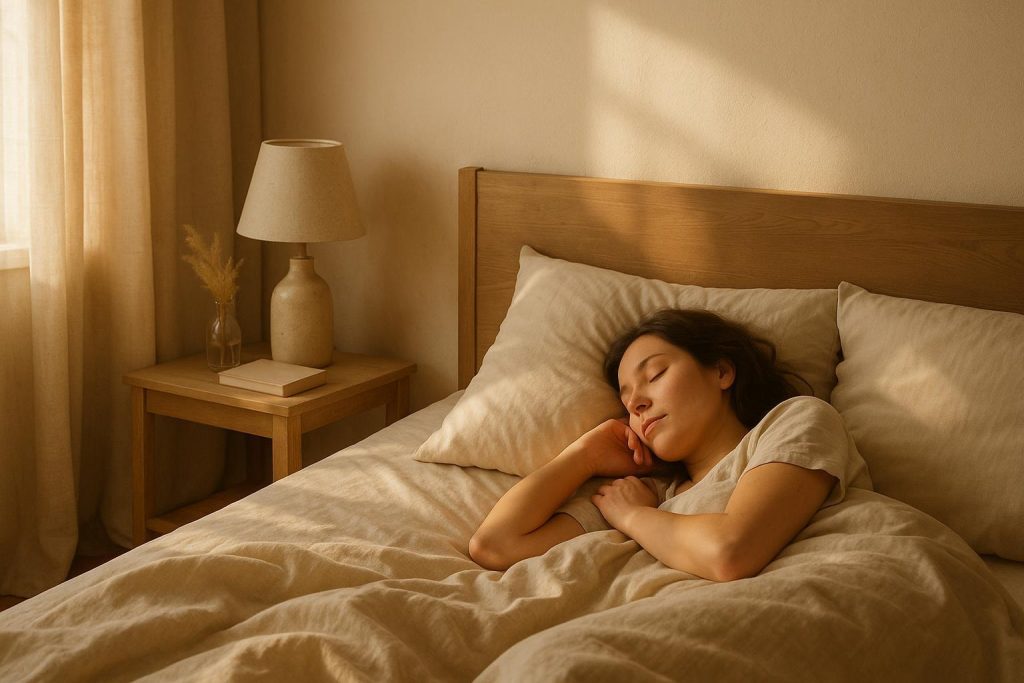
Understanding the Connection Between Sleep and Dry Eye Syndrome
Sleep is one of the body’s most powerful natural healing processes. It allows us to recharge, rest our muscles, and repair cellular function. Although many people recognize the role of sleep in supporting general health, fewer realize how integral it is to eye comfort. For those managing dry eye syndrome, sleep can have a substantial impact—both positive and negative. Insufficient or poor-quality rest often intensifies dryness, while consistent, quality sleep can nurture proper tear production and protect long-term vision health.
Dry eye syndrome occurs when your eyes do not produce enough tears or when the tear film on the eye’s surface does not function correctly to keep it moist. Tear film health is a delicate balance of oil, water, and mucus. Even slight changes—triggered by anything from excessive screen usage to hormone fluctuations—can lead to a gritty or burning sensation and overall dryness. When you incorporate subpar sleep on top of these factors, the end result is often irritation, redness, and worsened dryness throughout the day. Below, we discuss how sleep supports eye lubrication, practical steps to improve rest, and key tips to manage dry eye more effectively.
Why Proper Sleep Matters for Eye Lubrication
During healthy sleep, several physiological processes kick in to repair and restore tissues, including those in your eyes. While you sleep, blinking ceases and your closed eyelids help trap moisture. This enclosed environment allows tear fluid to coat the eye’s surface more effectively. For many individuals, nighttime tear production and lubrication are crucial for replenishing the tear film that gets depleted from daytime activities.
When you have insomnia, sleep apnea, or erratic sleeping patterns, your eyes may not have sufficient time to heal. Just like the rest of the body, eyes need steady rest to maintain optimal function. Without this rest, the tear film can break down, depriving the cornea of the moisture it needs. You may not notice the effect immediately upon waking, but dryness throughout the day can be traced back to what happened (or did not happen) during previous nights.
Individuals with dry eye syndrome often find it harder to achieve a relaxing night’s sleep. Burning or itching sensations can cause discomfort that either makes it harder to fall asleep or interrupts rest. Moreover, if your environment features low humidity or direct air flow from a vent or fan, your eyes can dry out even while you sleep. It can become a vicious cycle: dryness contributes to poor rest, and poor rest intensifies dryness. Addressing both sleep quality and eye hydration is vital in managing this condition.
Common Sleep-Related Factors That Worsen Dryness
Although dryness can be triggered by a range of factors, certain nighttime habits create a higher risk for developing or aggravating symptoms of dry eye.
- Sleeping with a Fan or Vent Aimed at Your Face: Air blowing directly over your eyes can expedite tear evaporation. In a chilly climate, people often run fans or heaters at night, which can easily dry out the air. If this flow is aimed at your bed, the eyes can be stripped of the protective tear film needed.
- Low Humidity in the Bedroom: Especially in colder or drier regions, indoor air may lack adequate moisture. Low humidity accelerates evaporation of tears, leading to a scratchy feeling when you wake.
- Inconsistent Sleep Schedules: The body performs best when following a regular rhythm. Disrupting the circadian cycle can impair your eyes’ natural ability to regenerate, making dryness worse.
- Excess Screen Time Before Bed: Extended screen usage—whether phone, laptop, or television—often reduces blinking and contributes to eye strain. This can leave the eyes uncomfortably dry even before you turn in, complicating the overnight moisture replenishment process.
- Underlying Health Conditions: Sleep apnea or chronic insomnia often rob the body of much-needed rest. People with untreated sleep apnea can experience oxygen deprivation, which in turn impacts eye function and heightens dryness.
If any of these factors resonate with your nightly routine, adjusting them may help protect your eyes from further dryness.
Improving Bedroom Environment for Eye Comfort
One of the most proactive ways to defend against dryness overnight is to examine and adjust your sleep environment. Sometimes, small changes can make a noticeable difference in the comfort you feel upon waking.
- Use a Humidifier: Adding moisture to the air helps reduce tear evaporation. Keep a humidifier running in your bedroom, especially during dry winter months or in arid climates.
- Avoid Direct Air Flow: If possible, reconfigure your fan or air conditioning vents so that they do not blow directly onto your face. Simply adjusting the angle or closing adjacent vents can limit the drying effect.
- Choose Gentle Bedding Materials: Opt for bedding and pillowcases made of soft, breathable fabrics. Some people find that silk or satin pillowcases are less abrasive and put less stress on the eyes throughout the night.
- Regulate Room Temperature: Overly warm or cool air can aggravate dryness. Aim to keep the bedroom temperature in a moderate range, ensuring that your eyes stay moist and comfortable.
Maintaining an eye-friendly setting at bedtime enhances your body’s natural restorative processes. An additional bonus is that these steps also contribute to better sleep overall, improving the likelihood that you’ll wake feeling refreshed rather than fatigued.
Establishing a Sleep Routine That Supports Eye Health
Beyond improving the physical environment, consider your actual sleep schedule. Consistency is pivotal. Our bodies function on circadian rhythms that rely on external cues like light exposure. When we routinely change our bedtime, these rhythms can become confused. This confusion can disrupt hormonal balance and cause you to wake feeling unrested. Over time, it may also impair the delicate tear production cycle, leading to persistent dryness.
Try these ideas to establish a more balanced routine:
- Set a Regular Bedtime: Aim for a consistent bedtime, even on weekends. This helps train your body to expect rest at a specific time.
- Power Down Devices: Dim screens or put devices away at least 30 minutes before bed to reduce blue light exposure. Blue light can throw off the body’s sleep-wake cycle, making it harder to drift off.
- Wind Down With Relaxation: Simple rituals like gentle stretching, listening to soft music, or reading can prepare both mind and body for sleep. These calming activities help free your eyes from strain, setting the stage for deeper rest.
- Limit Caffeine and Alcohol: Stimulants or beverages like alcohol may produce restless sleep patterns that deprive your body of full-quality rest. Over time, shallow or fitful sleep may affect how well-lubricated your eyes are in the morning.
Many of these practices also support general well-being, so it’s not just about improving your dry eye symptoms. A healthy routine fosters overall vitality and makes it easier for your eyes to stay hydrated, day and night.
When to Consider Professional Support
If you’ve adjusted your nightly routine, optimized your bedroom environment, and still wake with bothersome dryness, it’s wise to explore professional guidance. Chronic dryness can have many causes—some extended beyond sleep habits—so it’s essential to pinpoint the specific factors that amplify your symptoms. An optometrist can conduct tests to determine the condition of your tear film and meibomian glands, as well as check for any corneal damage.
In many cases, dry eye syndrome can be treated with personalized strategies. Lubricating eye drops, warm compresses, or specialized in-office procedures can bring relief. If you suspect your dryness stems from a deeper issue, or if your symptoms are severe, an exam from a knowledgeable eye care professional can provide reassurance and help you develop a targeted plan. For example, Dry Eye Treatment programs may include advanced options like IPL (Intense Pulsed Light) or Radio Frequency therapies to target the underlying causes of dryness. Addressing these issues early helps reduce discomfort, prevents further vision complications, and improves your daily quality of life.
Supporting Overall Eye Health
Although sleep is an important piece of the puzzle, it’s not the only factor impacting dryness. A conscientious approach throughout the day also makes a difference. From wearing protective eyewear in windy conditions to staying hydrated by drinking plenty of water, every small step supports a hydrated ocular surface. Reducing screen time and taking regular blinking breaks can also keep tears moving evenly across the eye’s surface.
Nutrients such as omega-3 fatty acids—the kind found in fish or flaxseed—have been associated with healthier tear function. Combine these dietary approaches with good sleep habits, and you’re well on your way to giving your eyes the daily and nightly care they deserve. If dryness persists despite these changes, it may be time for a more in-depth evaluation. For those who prefer a local, community-based clinic, seeking Eye Exams or directed therapies ensures that you receive personalized support for your vision.
Frequently Asked Questions About Sleep and Dry Eye
1. Can sleeping more hours fix my dry eyes?
While adding more hours of rest may help, quality of sleep is often just as important as quantity. Even an additional hour won’t help much if you wake frequently or sleep in a dry, air-conditioned room. Aim for a schedule that’s consistent, with an environment that protects eye moisture.
2. Should I use artificial tears before bed?
Some people find relief from applying artificial tears, ointments, or gels before going to sleep. If your dryness is significant, these products can reinforce your tear film and provide comfort throughout the night. However, if you are uncertain which product is best for your condition, consult your optometrist.
3. Why do my eyes feel sore when I wake up?
A common reason for morning soreness is that the protective tear layer has evaporated overnight. This can happen if your eyelids don’t close all the way or if the bedroom’s air is too dry. Occasionally, conditions like nocturnal lagophthalmos (incomplete eyelid closure while sleeping) may worsen dryness, so it’s best to get professional advice if the soreness persists.
4. Can special eye masks help with overnight dryness?
Moisture chamber goggles or specialized eye masks can help keep your eyes humidified during sleep. These products can be particularly beneficial for those in low-humidity areas or people with severe dry eye syndrome. A professional assessment may be recommended to ensure that you choose the right accessory for your needs.
A Holistic Approach to Dry Eye Relief
Ultimately, healing and prevention require more than one measure. Good sleep hygiene, combined with appropriate clinical guidance, can go a long way in soothing dryness. If you notice persistent irritation, don’t wait until it disrupts your quality of life. Consider scheduling a comprehensive evaluation to identify any underlying factors. Whether you need a thorough examination or advanced therapies for dry eyes, local community-focused practices can deliver the warm and personalized care that fosters real improvement. By pursuing practical sleep strategies and, if necessary, professional treatment, you can mitigate dryness, protect your eye health, and wake each day feeling truly refreshed.
Remember that every step you take, from adjusting your bedroom environment to committing to a set bedtime, can boost tear production and help you manage dryness more comfortably. Support your eyes throughout the night, and they will reward you with clearer, more comfortable vision throughout the day.